
EMAG – 低周波〜中周波電磁界シミュレーション
EMAG は、EMWORKS に搭載された低周波から中周波領域向けの電磁界シミュレーションモジュールです。自動車、航空宇宙、医療、電力システム分野において、電動機、アクチュエータ、センサ、変圧器などの機器を対象に、2D および 3D モデルでの電磁界、損失、力の解析に使用されます。
.webp)
EMAG 概要
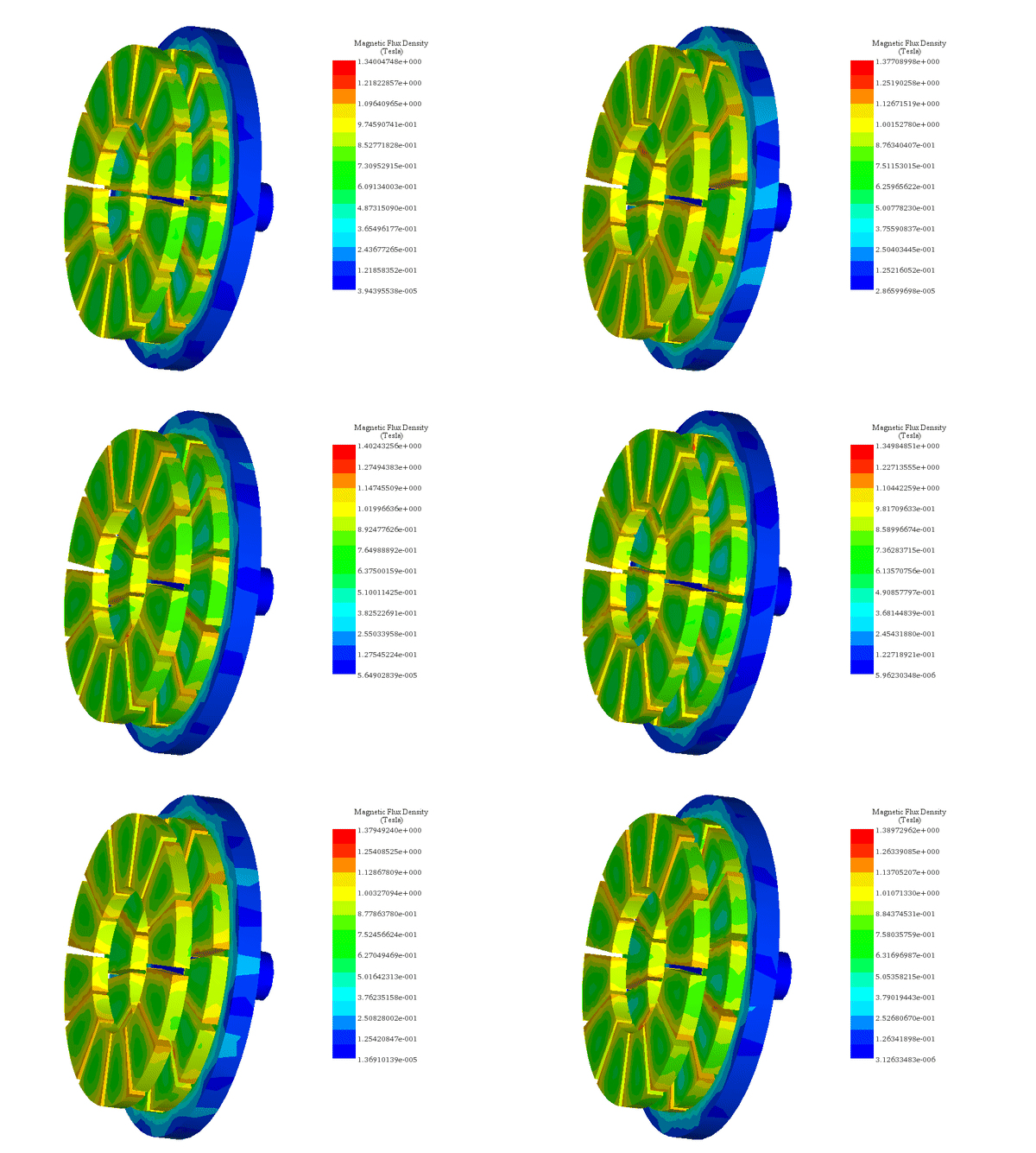
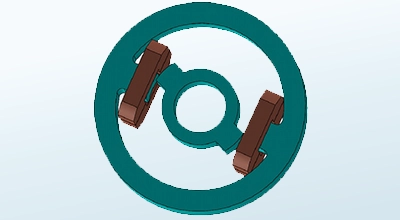
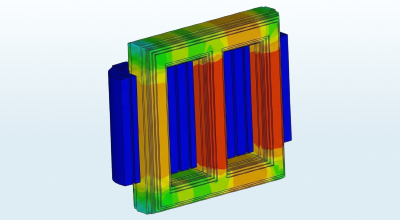
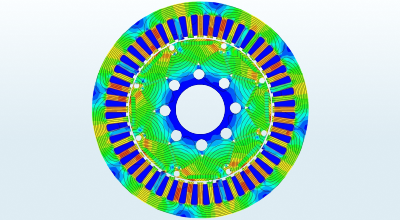
EMAG は、モータ、アクチュエータ、変圧器、センサなどの 2D および 3D モデルを対象に、低周波〜中周波領域の電磁界解析を実行します。コイル、永久磁石、導体、強磁性部品を、完全 3D または 2D/軸対称モデルで取り扱い、パラメトリックスイープや熱解析・構造解析との連成にも対応しています。解析結果として、電磁界分布、磁束密度、電流密度、損失、力、トルクをジオメトリ全体にわたって取得でき、設計案の直接比較が可能です。
EMAG 解析オプション
マルチフィジックス連成
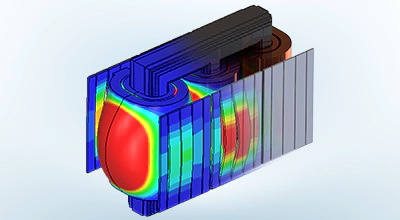
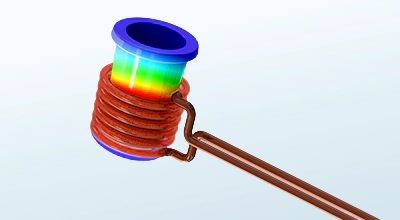
EMAG は、電磁界が機械的挙動や温度と相互作用する機器を対象に、電磁界解析を運動解析、構造解析、熱解析ソルバーと連成します。
.gif)
回路連成
EMWORKS の回路連成機能は、3D 電磁界モデルと電気回路図を統合します。この双方向の相互作用により、モータや変圧器などのデバイスを過渡状態および定常状態で正確にシミュレーションでき、逆起電力(バック EMF)や磁気飽和といった重要な物理現象を再現します。
EMAG アプリケーション
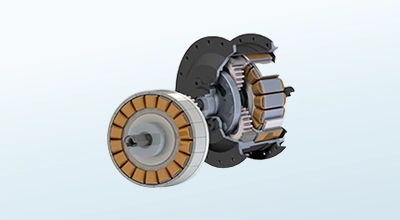
Motors and Generators
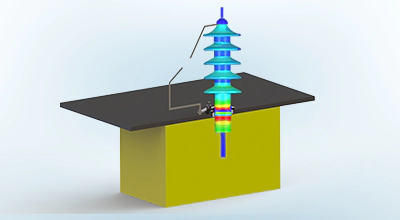
Transformers and Inductors
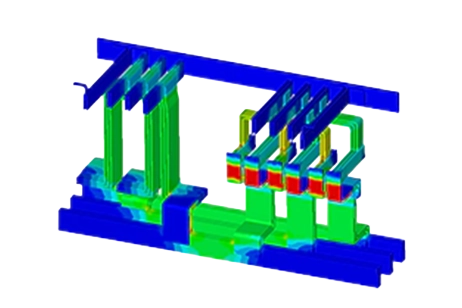
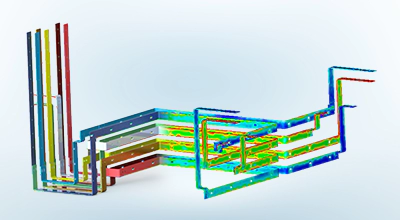
Busbars and Power Distribution
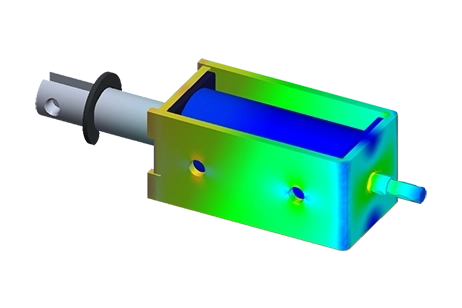
Actuators and Solenoids
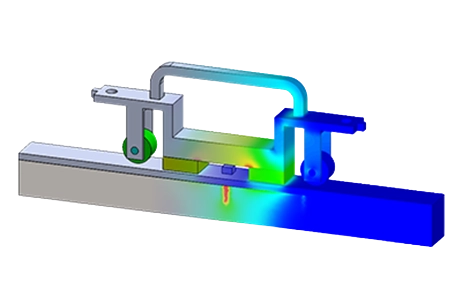
Eddy-Current NDT
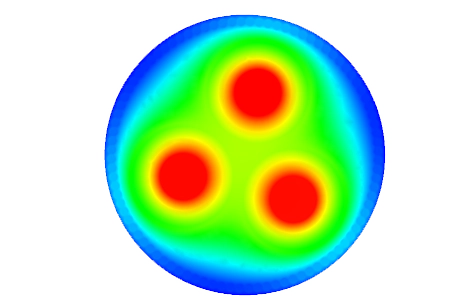
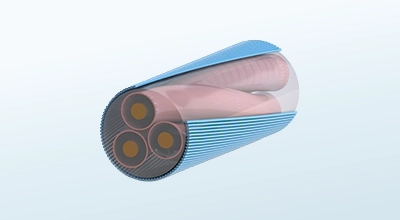
Power Cables and High-Current Conductors
EMAG FAQs
EMWORKS EMAG is EMWorks finite-element solver for low- to medium-frequency electromagnetic simulation. Engineers use it to design and validate electric machines, transformers, actuators, sensors, and other electromechanical parts, covering static, AC, and transient magnetic and electric field problems in 2D, 2D axisymmetric, and full 3D.
EMWORKS EMAG goes beyond isolated field analysis through Circuit Coupling, which links the 3D field model to an electrical schematic in a bidirectional simulation. This captures real operating behavior, including back-EMF and saturation, under both transient and steady-state conditions, so component-level results translate directly into system-level insight.
EMWORKS EMAG works alongside EMWORKS thermal, structural, and motion analysis tools, plus EMWORKS RF & MICROWAVE for devices that span both low and high-frequency behavior. Forces and losses computed in EMWORKS EMAG carry over directly as loads for thermal and structural studies on the same model.
Models can be built natively in EMWORKS integrated CAD, powered by Autodesk Inventor, or brought in from external CAD systems with assembly structure intact. Everything, modeling, solving, and post-processing, stays in one environment, so there's no version drift between the CAD file and the simulation. Parametric geometry makes it straightforward to run design sweeps.
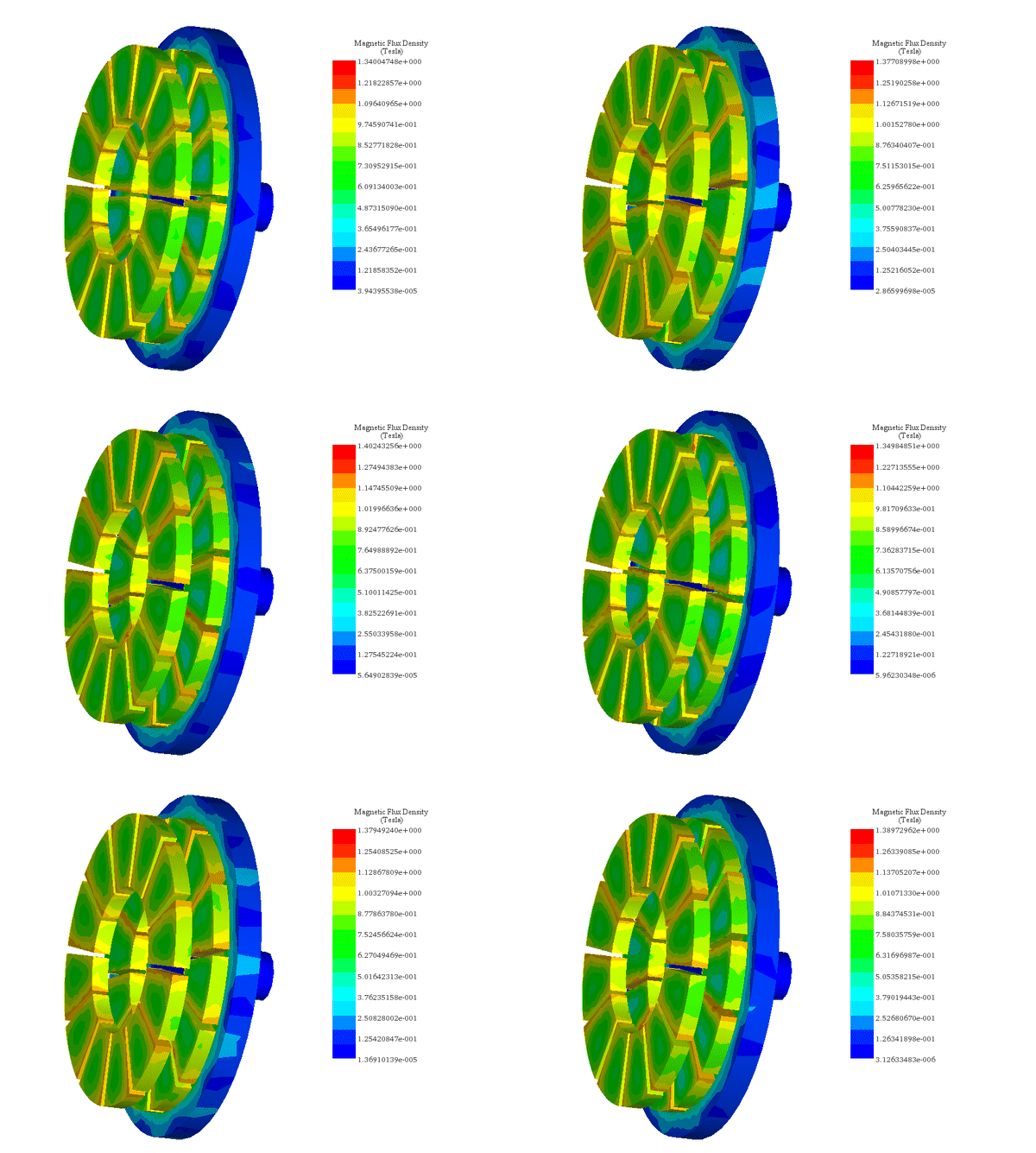
EMWORKS EMAG calculates torque, cogging, core and copper losses, and demagnetization risk for permanent-magnet, induction, and synchronous-reluctance machines, at both steady-state and transient operating points. This supports efficiency and reliability improvements for motors used in automotive, aerospace, industrial, and energy applications.
EMWORKS EMAG covers a wide span of low- and medium-frequency electromagnetic problems, including:
- Electrical Machines: motors, generators, actuators, solenoids
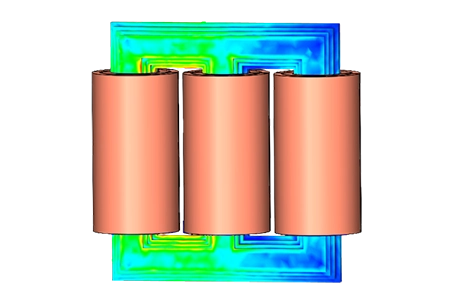
- Power Systems: transformers, busbars, and power-electronics components
- Sensors & Biomedical Devices: magnetic sensors and actuator-driven medical equipment
Because CAD, simulation, and post-processing live in a single environment, EMWORKS EMAG shortens the iteration loop between design changes and simulation results. That means fewer physical prototypes, faster evaluation of design alternatives, and earlier detection of performance issues in the design cycle. In line with EMWORKS focus on accessible electromagnetic simulation, the bundled CAD-plus-solver license puts electric machine and power-device analysis within reach of smaller engineering teams, not just large organizations with dedicated simulation budgets.
EMWORKS EMAG ships as part of the EMWORKS software suite and is available as a free trial through the EMWorks website.